Ledger.com/Start — A 1200-Word General, Educational Overview
When people talk about “ledger.com/start,” they are usually referring to the introductory and educational space associated with Ledger’s ecosystem. Rather than acting as a login portal or a place to manage assets, this section serves as a starting point where users can learn about what Ledger devices are, how they are designed, and why many adults prefer hardware-based protection when dealing with digital assets. Understanding this kind of introductory page can be helpful for learning about cybersecurity concepts, personal data protection, and how secure devices are built—even without actually using or accessing any financial tools.
At its core, the purpose of a “start” page is to guide users through the foundational ideas behind the product. For Ledger, that means explaining the philosophy of offline security. Ledger is known for creating hardware devices that keep sensitive information off the internet. The “start” page typically introduces this idea by focusing on why offline storage is seen as safer than online platforms. It highlights the increasing importance of digital safety and the role that secure devices can play in protecting private data.
A major portion of the “start” environment is usually educational. It explains what a hardware wallet is—not in a way that teaches someone how to use one, but in a way that introduces the concept. A hardware wallet is a physical device that holds private information inside a secure chip. The “start” page often explains how this separation from the internet protects users from online threats, malware, and unauthorized access. Even for someone not intending to use financial tools, learning about how offline devices store information can deepen understanding of modern cybersecurity practices.
The “start” page also tends to explain the architecture of Ledger’s security model. One major idea emphasized in Ledger’s system is the principle of a “secure element,” which is a special component designed to keep important data locked away. This type of component is also used in passports, ID cards, and certain security tokens. By discussing this, the “start” environment provides an opportunity to learn about advanced security technologies that are used worldwide. These ideas apply far beyond financial tools and help illustrate how sensitive information can be safeguarded.
Another important concept introduced in educational sections like this is the idea of ownership. Instead of relying on a server or an account managed by a company, hardware-based systems focus on user control. This means that individuals—not online platforms—manage their own private information. The “start” page typically explains why this approach is appealing to adults who want complete responsibility over their data. From a digital literacy perspective, this highlights the difference between centralized and decentralized models of security.
The page also often covers the idea of firmware—software that lives on a physical device. It may explain how secure devices update their internal systems to remain safe. Learning about firmware is valuable for understanding many types of technology, including phones, smart cards, and even game consoles. Firmware updates keep hardware up-to-date, fix security issues, and introduce improvements. The “start” page explains these ideas in a broad and conceptual way, helping users understand why keeping devices updated is a standard part of cybersecurity practices across all industries.
An introductory space like “ledger.com/start” also tends to explain the user’s role in maintaining security. Although the devices themselves include advanced protections, the human side of safety is equally important. Common themes include avoiding suspicious websites, being careful with personal information, and understanding how scammers use deceptive tactics to trick people online. These lessons apply not only to adults managing digital assets but also to general internet safety. Learning how to identify phishing, misleading messages, and impersonation attempts is an essential modern skill for people of all ages.
The “start” page typically also explores the concept of recovery methods—without encouraging anyone to use them. This section usually explains, in a general sense, why secure systems rely on long, unique recovery words instead of simple passwords. These phrases are not meant to be stored digitally and represent a way for adults to regain access if they lose their device. The educational value lies in understanding why long, complex backup systems provide better protection against unauthorized access. Even in non-financial contexts, this principle is mirrored in secure backups, two-factor authentication, and multi-step verification processes.
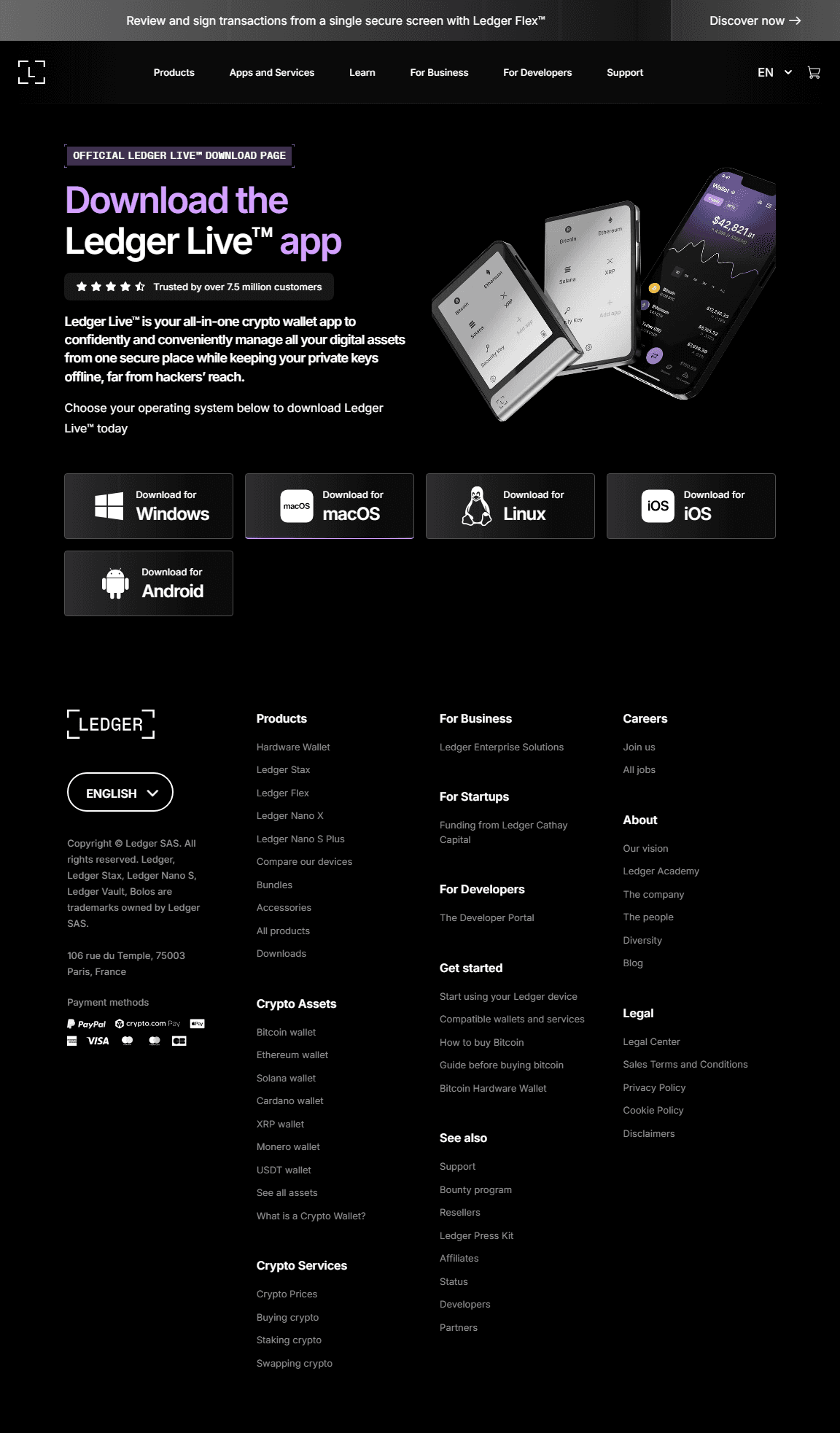
In addition to security concepts, the “start” page often introduces users to the idea of companion software. In Ledger’s ecosystem, the companion software is the interface that shows information visually. The page usually clarifies that this software does not replace the device but works alongside it. This dynamic provides a real-world example of how hardware and software cooperate in modern security systems. The hardware holds the sensitive material, and the software displays or organizes information without being allowed to access private keys.
Another topic that the educational page often highlights is authenticity. Devices like Ledger include built-in systems that help confirm whether a device is genuine. Explaining authenticity checks teaches an important cybersecurity lesson: verifying the legitimacy of technology is a crucial step in protecting personal information. This same principle applies when downloading apps, buying devices, or navigating online resources. Understanding how authenticity works helps people recognize the importance of ensuring that tools come from their true manufacturers.
The “start” page also commonly touches on privacy. One of the values emphasized in hardware-based systems is that no central authority controls or views private details. This part of the page may discuss how decentralized tools allow individuals to maintain autonomy over their personal data. While these systems are mainly used by adults for financial purposes, the broader lesson is about maintaining control over one’s information in a world where many services depend on data collection. Learning how different systems protect privacy builds awareness of how digital platforms handle personal details.
Beyond security and privacy, the educational content on this kind of introductory page often discusses responsibility. Technology that grants full control also requires careful handling. Adults using Ledger are advised to safeguard their devices, store sensitive phrases securely, and avoid sharing confidential information. These principles parallel general digital responsibility: being mindful of device safety, keeping passwords private, and staying aware of potential risks. Even outside of digital assets, these habits support safer online behavior.
Another important idea is transparency. The “start” page usually explains how secure devices are built, what components they use, and how their systems work. This openness is meant to build trust. For someone learning about technology, this transparency helps demystify advanced devices and shows how careful design contributes to safety. Understanding how technology works beneath the surface encourages more informed decisions and strengthens digital confidence.
Educational sections like “ledger.com/start” may also touch on user empowerment. The goal is to teach adults that secure systems work best when they take control and understand how their tools function. This idea echoes across many fields, from cybersecurity training to online privacy management. Empowerment comes from knowledge, awareness, and good habits—values that remain essential regardless of the specific technology being used.
In summary, “ledger.com/start” acts as an educational foundation rather than a functional platform for managing financial tools. It introduces key concepts such as offline security, device authenticity, recovery methods, privacy principles, and responsible digital behavior. Its purpose is to help users understand how secure hardware works, why strong protection matters, and what role individuals play in safeguarding their information. By focusing on cybersecurity concepts and general awareness, the page offers insights that extend far beyond the world of digital assets, providing valuable lessons for safer, smarter interactions with technology as a whole.